If you’ve ever taken on a home project, you already know it’s the little details that matter. That’s especially true with flooring installation.
From measuring your space correctly to understanding flooring acclimation, every step plays a role in how your floors will look and perform over time. Skipping any step can lead to big headaches like gaps, buckling, or even having to redo the whole job.
Whether you’re planning a full remodel or just refreshing one room, this guide to flooring breaks things down in a way that actually makes sense. Use it to find practical flooring installation tips, easy checklists, and advice for carpet, hardwood, and vinyl flooring to help you move forward with confidence.
Finding Flooring Deals
At Liddiard Home Furnishings, we help you make every space home with flooring for all your needs!
Shop Flooring TodayGeneral Tips for Smooth Flooring Installation
Before diving into specific materials, it helps to understand the basics of any flooring install. These are the steps that set the foundation for everything else.
Step1: Measure the Installation Area
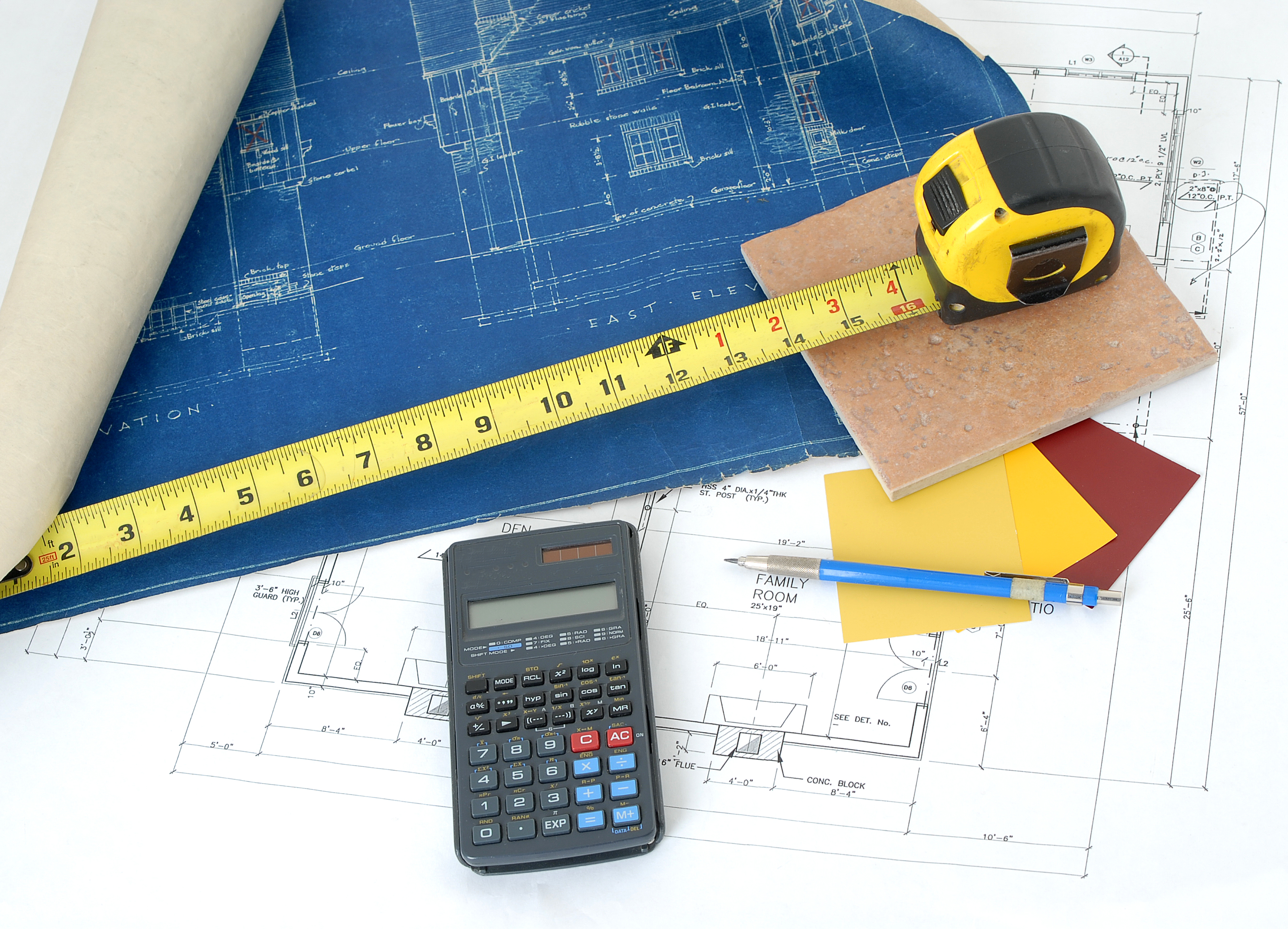
Measuring sounds straightforward, but it’s one of the most common steps where homeowners make mistakes during flooring installation.
Here’s a simple step-by-step approach:
- Measure the length and width of each room in feet.
- Multiply to get total square footage.
- Add 10–15% extra for waste, cuts, and mistakes.
- Don’t forget closets, hallways, and odd-shaped areas.
- Round up, not down.
Getting this right matters for more than just ordering materials. If you underestimate measurements, you may need to delay your project while waiting for more flooring. That can mean rescheduling installers and increasing costs.
Additionally, be sure to think about height differences. Is your new flooring thicker than what’s currently installed? If so, you may need to:
- Trim doors so they don’t scrape
- Adjust thresholds between rooms
- Reconsider transitions into other flooring types
This ties into common questions like “Do you install flooring before appliances”, and “Do you install flooring before cabinets?” In most cases, flooring goes in after cabinets but before appliances, though it can vary depending on your layout and material.
Learn More: What Every Homeowner Needs to Know About Kitchen Flooring
Step 2: Prep the Installation Area
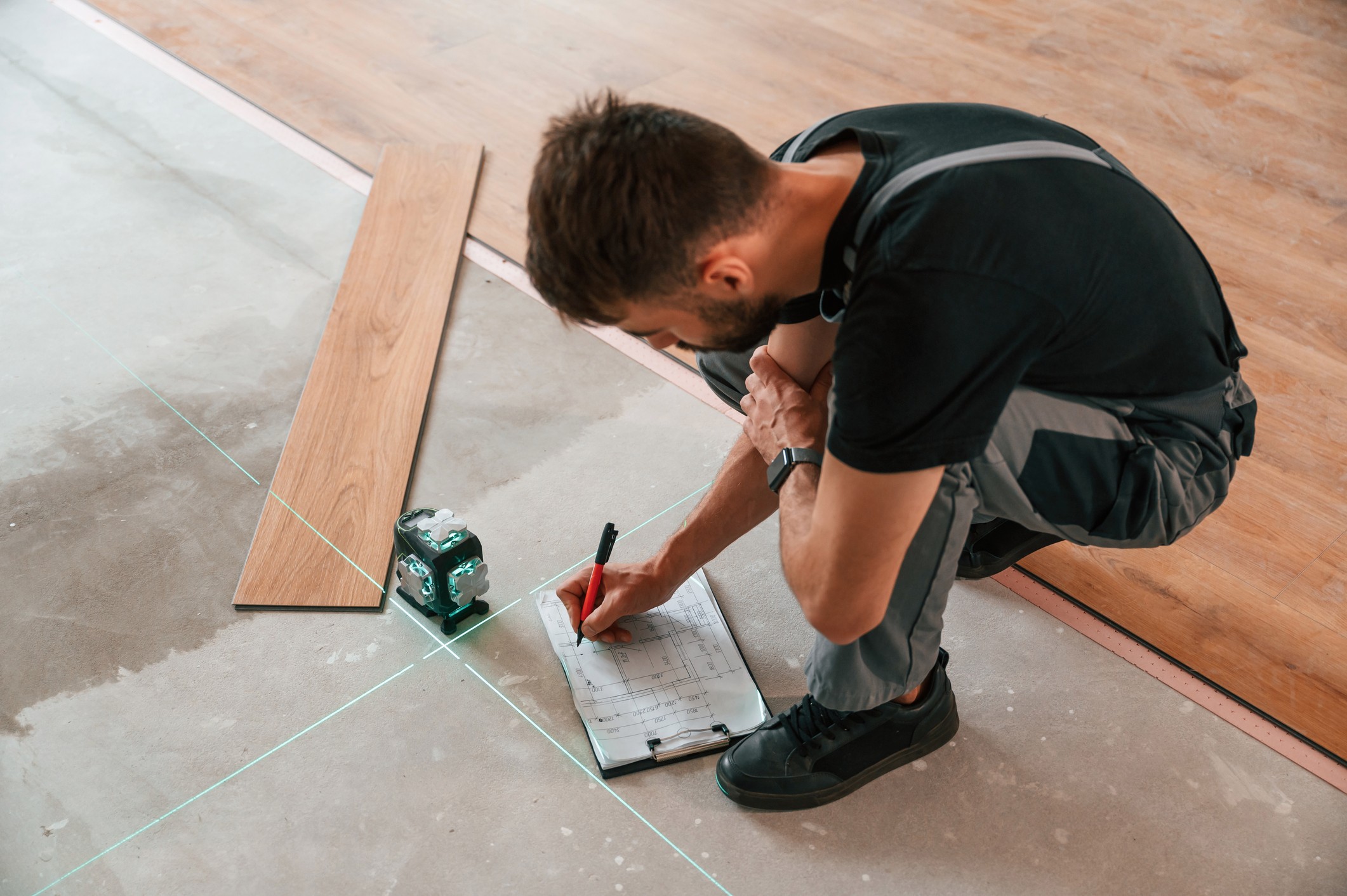
A clean, clear space makes a huge difference in how smoothly your flooring installation goes.
Start with the basics:
- Remove all furniture and décor.
- Take out old flooring if needed.
- Vacuum thoroughly to remove dust and debris.
Depending on the material, you may or may not want to mop. For example:
- Hardwood: avoid excess moisture
- Vinyl: light cleaning is usually fine
- Carpet: ensure the subfloor is completely dry
You’ll also want to check for repairs. Look for:
- Cracks in the subfloor
- Uneven surfaces
- Squeaks or loose boards
If you’re installing laminate or vinyl, pay special attention to leveling floor before installing laminate. Even small dips or bumps can affect the final look and durability.
Step 3: Understand Your Home Settings
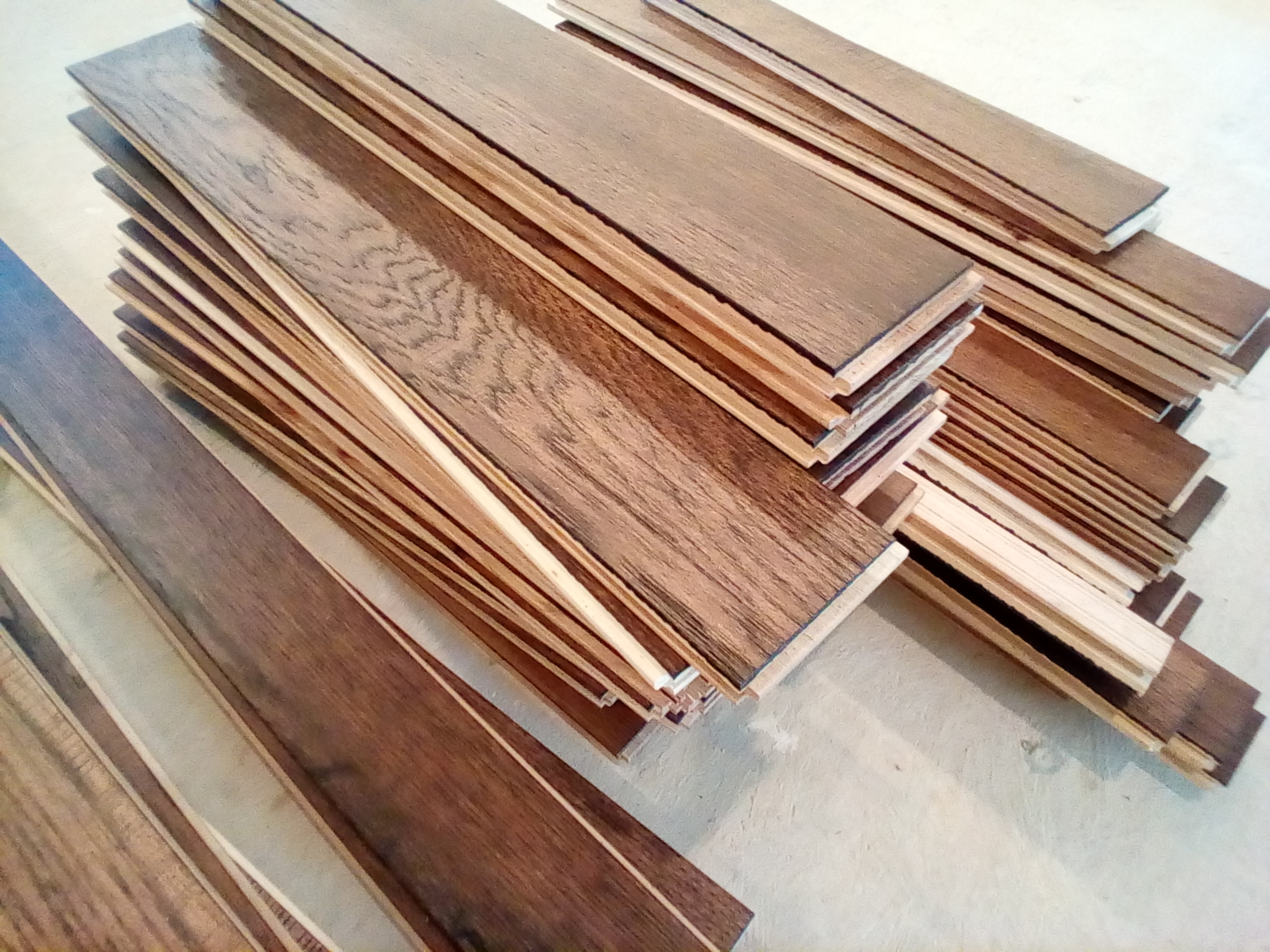
This is where flooring acclimation comes into play, and it’s more important than most people realize.
Acclimation means letting your flooring materials adjust to the temperature and humidity of your home before installation. Without this step, materials can expand or contract after installation, leading to gaps or warping.
For hardwood and synthetic blends, wood flooring acclimation time typically ranges from 3 to 7 days. To properly acclimate wood flooring, you should:
- Leave the boxes unopened in the room.
- Maintain normal indoor temperature and humidity.
- Avoid storing materials in garages or basements.
Not sure what your home needs? This is where professional flooring installation can help. Pros understand how climate, subfloor type, and material all interact. If you’re searching for flooring installation nearby, it’s worth asking about their acclimation process before booking.
Learn More: Shaw Flooring Reviews: Pricing, Durability & Installation
Carpet Flooring Install Checklist
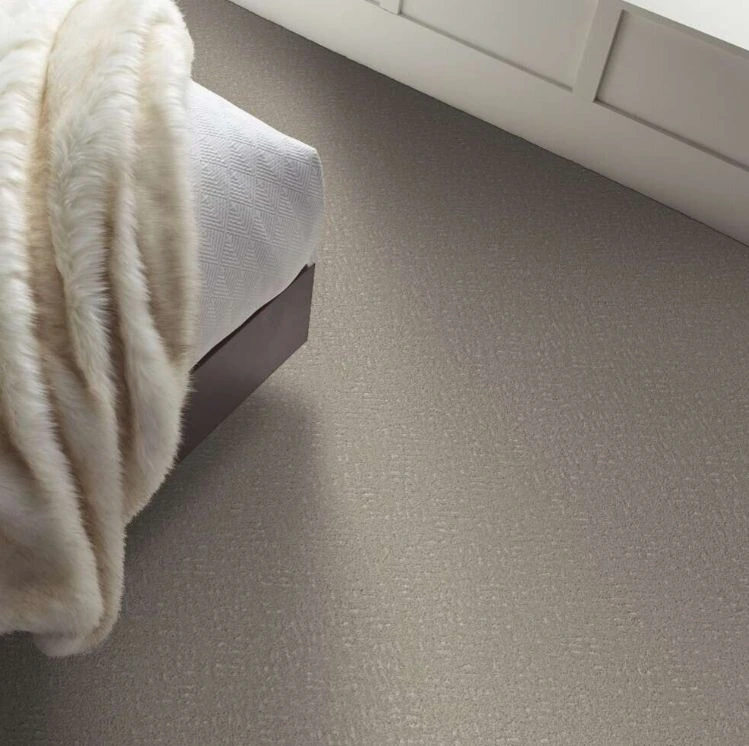
Carpet is one of the most comfortable and forgiving flooring options, making it a popular choice for bedrooms and living spaces. This part of your carpet flooring guide focuses on what you should know before installation so everything goes smoothly from the start.
Before anything else, it’s important to make sure the subfloor is in good condition. The surface should be clean, completely dry, and free of debris like staples, nails, or dust that could affect how the carpet lays. If there are uneven areas, they should be repaired ahead of time to prevent lumps or premature wear. Installing a quality carpet pad is just as important, since it adds cushioning, improves insulation, and helps extend the life of your flooring.
While carpet doesn’t require the same level of flooring acclimation as wood, it’s still a good idea to let it sit in your home for about 24 hours before installation. This allows the material to adjust to the room’s temperature and humidity, which can help prevent minor issues after installation.
You’ll also want to think through a few finishing details. Seam placement matters more than many people expect, so planning where seams fall can make a big difference in how visible they are. It’s also smart to double-check door clearance, since adding carpet and padding can slightly raise the floor height.
Using a thorough floor inspection checklist before installation can help catch small issues early and keep your flooring installation on track without unnecessary delays.
Hardwood Flooring Install Checklist
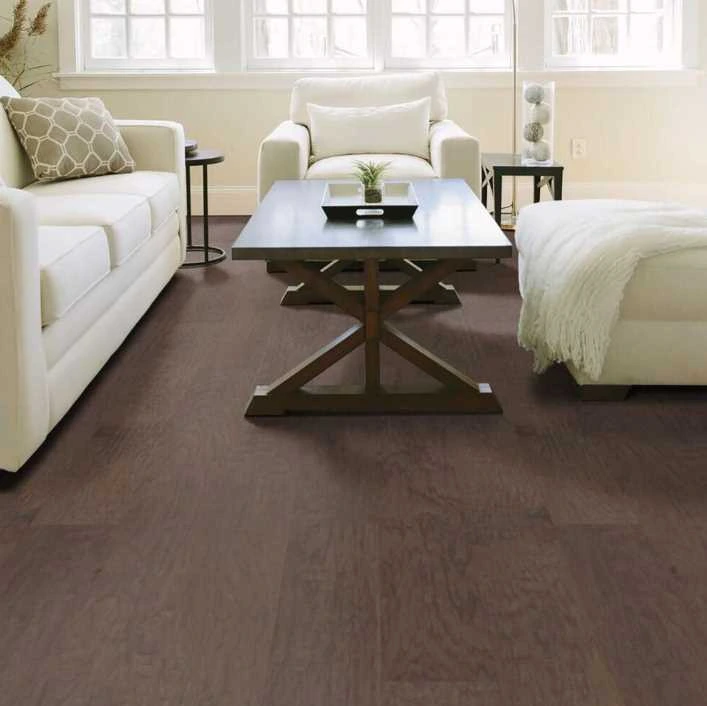
Hardwood flooring brings a timeless, high-end look to any home, but it also requires more precision than other materials. Follow this hardwood flooring guide to learn what to focus on before starting your hardwood floor installation to avoid costly mistakes.
The first step is making sure your subfloor is properly prepared. It needs to be clean, dry, and level, since even small imperfections can affect how the planks sit and wear over time. Moisture is especially important with wood, so checking levels ahead of time is essential. Loose boards should be secured, and in some cases, a moisture barrier may be needed depending on your home’s conditions.
Acclimation is one of the most critical parts of the process. Following the recommended wood flooring acclimation time allows the material to adjust to your home’s temperature and humidity before installation. To properly acclimate wood flooring, keep the boxes in the room where they’ll be installed and maintain normal living conditions. Skipping this flooring installation step is one of the most common issues highlighted in hardwood floor installation tips and tricks, and it can lead to warping or gaps later on.
There are also a few finishing details that make a big difference. Leaving proper expansion gaps around the edges of the room gives the wood space to naturally expand and contract. Planning the direction of the planks can improve both the look and flow of the space. Because wood is less forgiving than other materials, many homeowners choose professional flooring installation to ensure everything is done correctly the first time.
Learn More: The Real Difference Between Engineered and Hardwood Floors
Vinyl Flooring Install Checklist
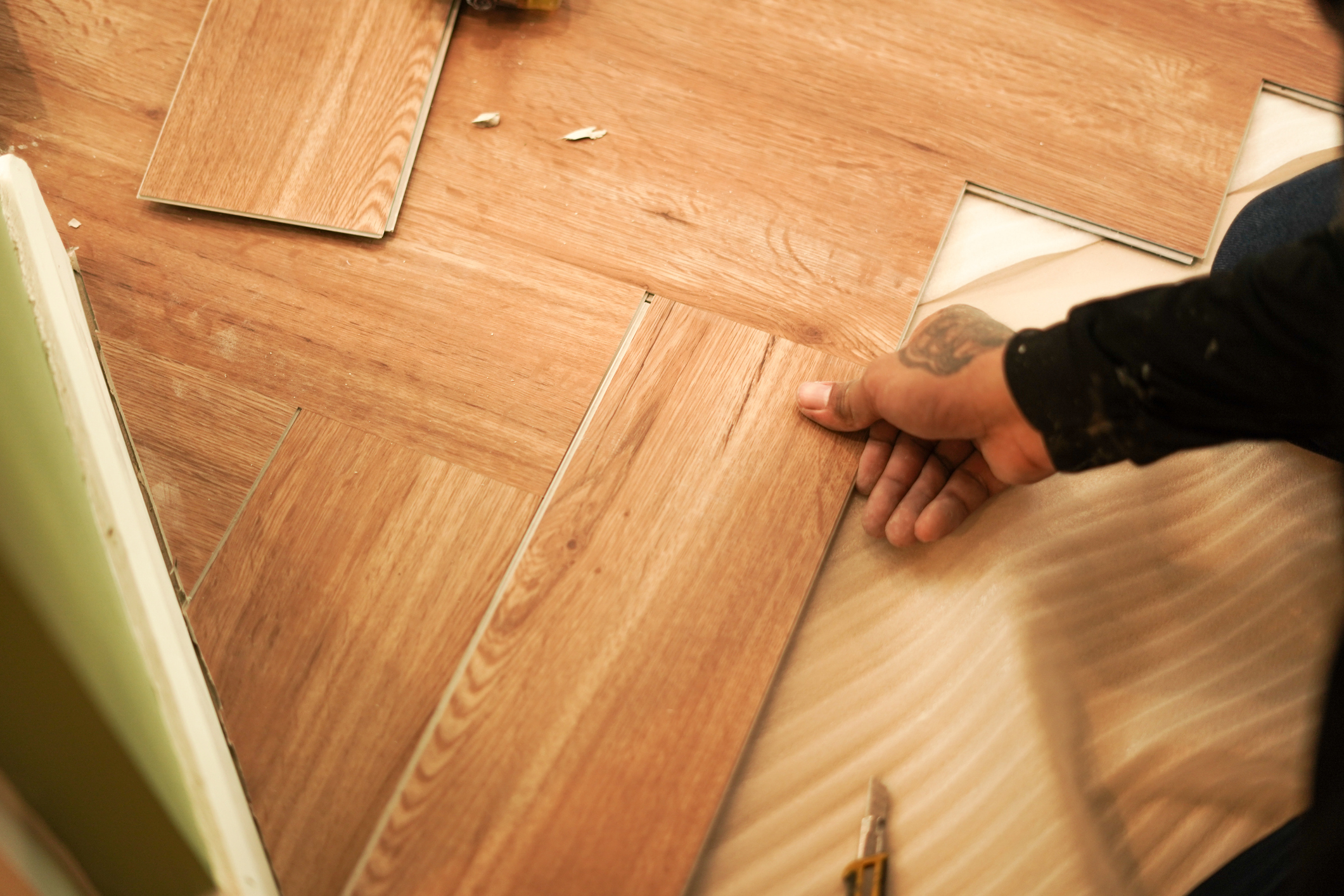
Vinyl flooring is known for being durable, water-resistant, and relatively easy to install, making it a great option for busy households. This section of your vinyl flooring guide covers what to expect and how to prepare for a smooth flooring installation.
As with any flooring type, preparation starts with the subfloor. It should be smooth, clean, and level to ensure the vinyl planks or sheets lay properly. Any cracks, dips, or debris can show through over time, so taking the time to fix these issues upfront is key. This is especially important when leveling floor before installing laminate or vinyl, since an uneven base can affect both appearance and durability.
Vinyl does require some acclimation, though not as much as hardwood. Letting the material sit in the installation area for 24 to 48 hours helps it adjust to the room’s temperature and humidity. This step supports better long-term performance and reduces the risk of expansion or contraction after installation.
When it comes to installation, small details can make a big difference in the final look. Following practical tips for installing vinyl flooring, like staggering seams for a more natural appearance and using spacers to maintain consistent expansion gaps, helps create a polished result. It’s also important to check alignment as you go, since even slight shifts can become noticeable across a larger space.
The good news is that vinyl is generally more forgiving than wood, but it still benefits from careful planning and a solid floor installation checklist. Whether you’re tackling it yourself or hiring help, proper prep ensures your flooring installation looks great and lasts for years.
Learn More: Best Laminate Flooring Styles for Your Home
Home remodels aren’t always a picnic, but with the right prep and a little knowledge, a successful floor installation is easier than you might think. Now that you have the tips, you’re ready to explore the style you want, and Liddiard Home Furnishing is the place to shop for the best brands and designs. Visit our Tooele flooring showroom today to learn more about our flooring options or for more answers about flooring from our experts!
Frequently Asked Questions about Flooring Installation
For most hardwood and synthetic wood blends, acclimation typically takes between 3 to 7 days. It is important to leave the boxes in the room where they will be installed and maintain normal indoor temperature and humidity levels.
In a standard kitchen remodel, flooring is typically installed after the cabinets are in place but before the appliances are brought in. This avoids scratching the new floors while moving heavy cabinetry.
Yes, especially for materials like vinyl and laminate. Even small dips or bumps in the subfloor can affect the final appearance and cause the flooring to wear unevenly or buckle over time.
Why Trust Liddiard Home Furnishings?
For over 65 years, Liddiard Home Furnishings has been providing Utah with premium home furnishings. This family-owned business has worked to deliver a better kind of shopping experience to the greater Salt Lake City area. Whether it’s the carefully laid out showroom or the outstanding customer service, when you shop at Liddiard’s, you’ll feel like family. The team at Liddiard has crafted a catalog full of incredible products made by brands with reputations for quality. Shop online or visit our showroom to discover what makes Liddiard Home Furnishings so unique.
Explore Flooring Installation at Liddiard Home Furnishings
For the home furnishings you need, visit Liddiard Home Furnishings in Tooele, UT. You’ll find the best prices when you shop flooring online. Check out Liddiard reviews, and if you have questions, our friendly product experts are always happy to help you learn more about flooring installation — whether you call us at 435-882-0964 or use our online chat feature. Visit our Tooele showroom today!
Learn More: How to Calculate the Real Cost of Flooring Installation